Jewelry has played an important role in human life since ancient times. Whether it is a bracelet on the wrist, a ring on the finger, or earrings adorning the ears, jewelry holds unique significance and value for people. Wearing jewelry is not merely about aesthetics or fashion; it carries deeper meanings and symbolism. This article explores the significance of wearing jewelry, discussing aspects such as personal expression, social communication, emotional commemoration, and the symbolization of identity.
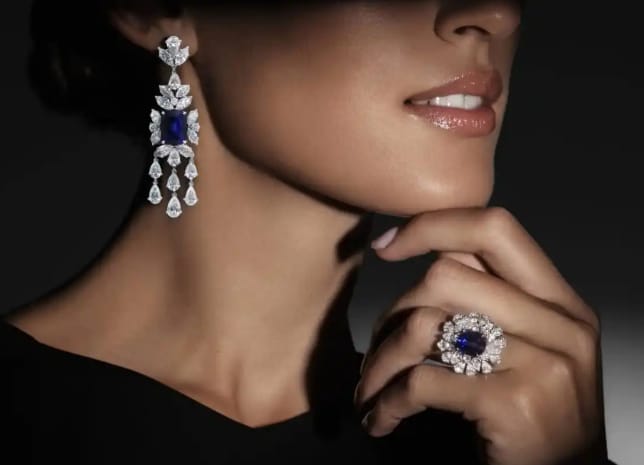
1. A form of personal expression. Everyone possesses a unique personality and aesthetic sense; as a form of personal adornment, jewelry allows individuals to showcase their distinctive views on beauty. Whether opting for bold, unique designs, trendy styles, or timeless classics, people can choose jewelry that aligns with their preferences to express their individuality and style. Wearing a distinctive piece of jewelry can make individuals feel unique and special, thereby boosting their self-confidence and self-esteem.
2. A means of social communication. Jewelry is often viewed as a symbol of prosperity and wealth; wearing it allows individuals to demonstrate their social status and financial standing to others. By selecting high-quality jewelry and precious materials, people can convey their affluence and social position. Jewelry can also serve as a conversation starter, enabling people to connect with others and share their interests and experiences. Thus, wearing jewelry is not only a form of self-expression but also a way to engage in social interaction.
3. Significance as an emotional memento. Jewelry is frequently associated with special moments and emotional milestones. Rings symbolize marriage, embodying eternal love; bracelets serve as bonds of friendship, witnessing the connection between friends; and necklaces symbolize familial affection, representing the care and concern shared among family members. Wearing such jewelry allows people to cherish special moments and precious emotions, keeping them forever in their hearts.

4. Significance as a symbol of identity. In certain societies and cultures, jewelry can signify social status and group affiliation. Royalty and the nobility, for instance, have long worn precious jewelry to display their unique status and power. In some cultures, wearing specific types of jewelry can also signal a person’s professional identity—such as a doctor wearing a watch or a lawyer sporting cufflinks. Through jewelry, individuals can convey their identity and status non-verbally, garnering recognition and respect from others.
The significance of wearing jewelry extends far beyond mere aesthetic appeal or fashion. It serves as a means of expressing unique personality and style, a form of social communication, a way to commemorate cherished emotions, and a method of displaying one’s identity and status. Wearing jewelry holds profound meaning and value for both the individual and society. Whether one chooses high-value pieces, trendy designs, or traditional classics, every item of jewelry carries its own unique significance and worth.